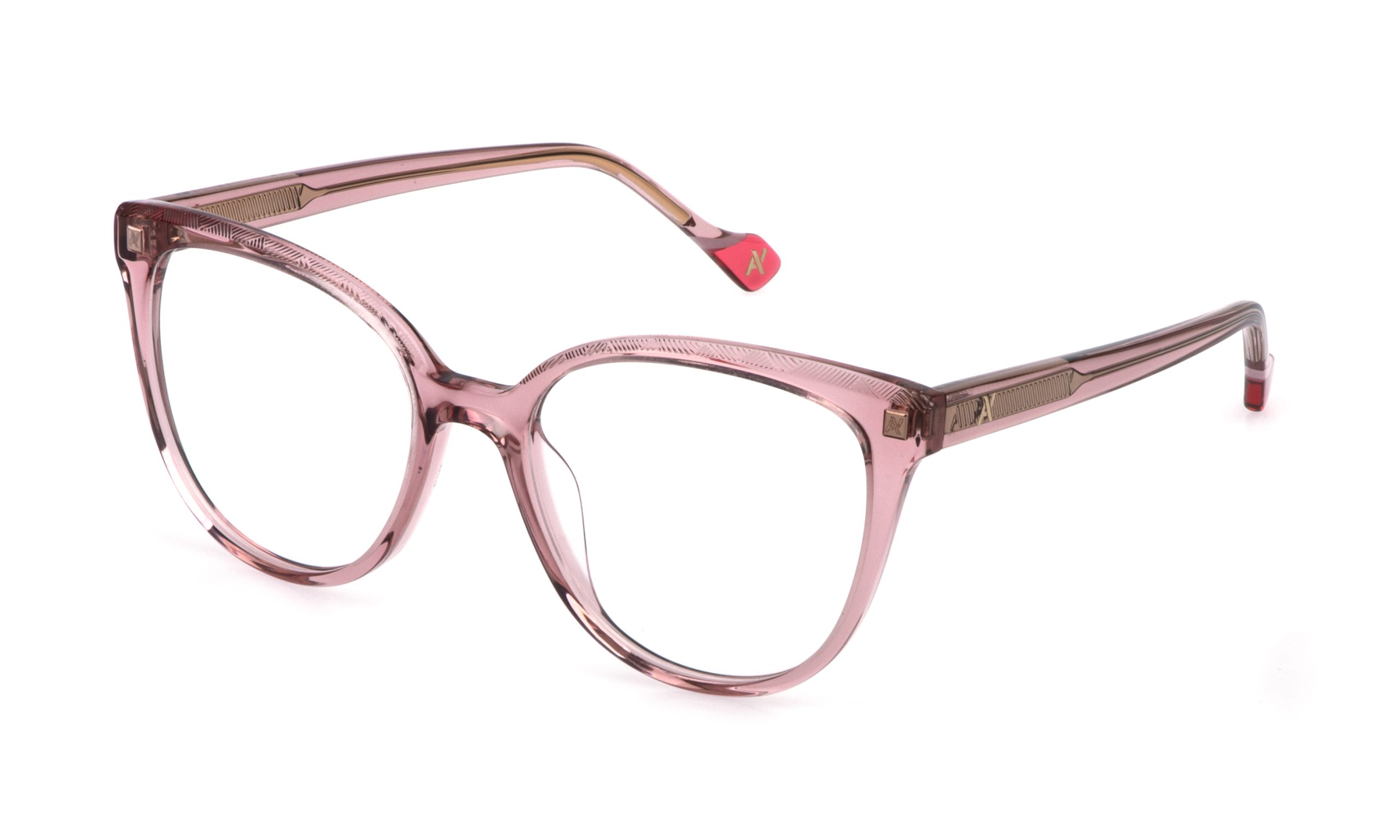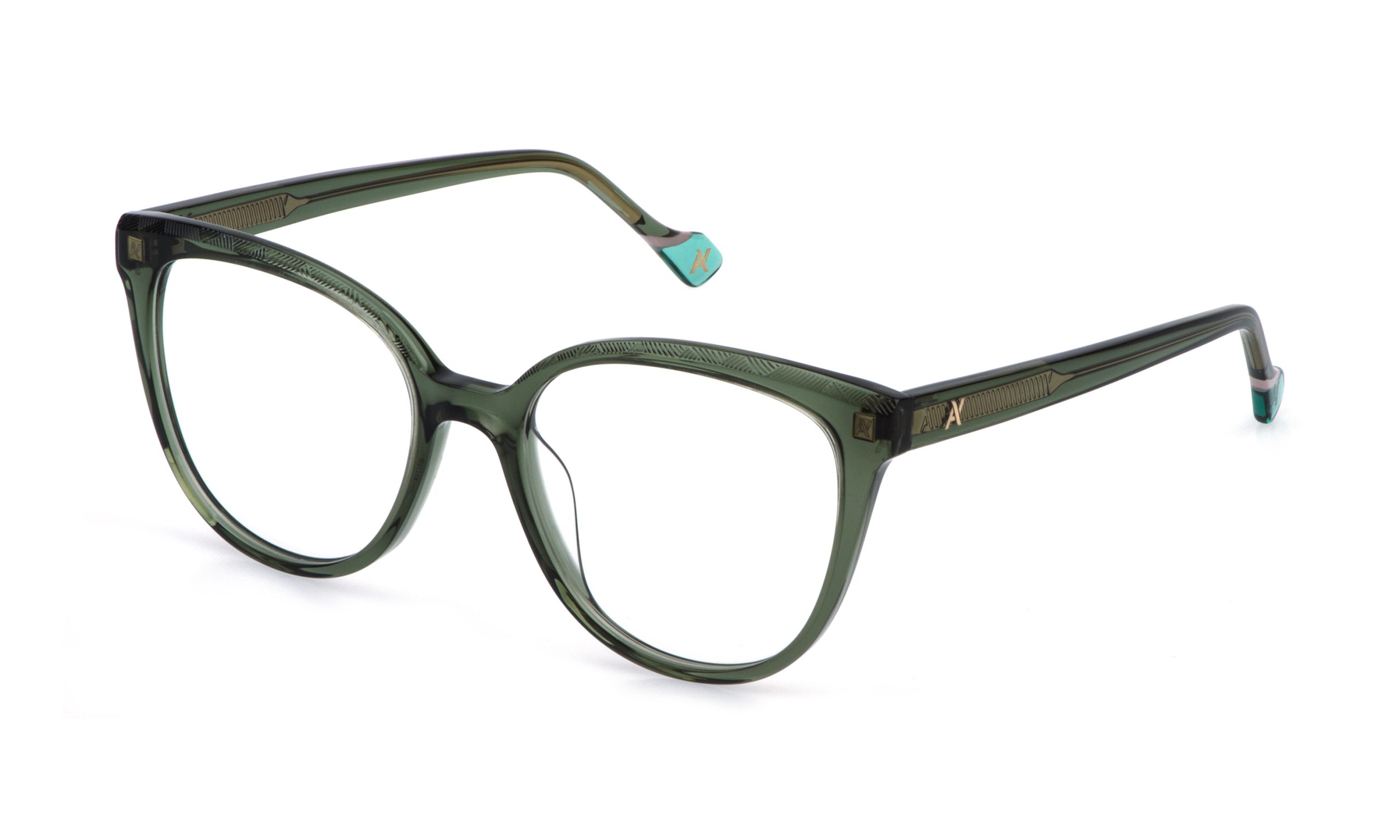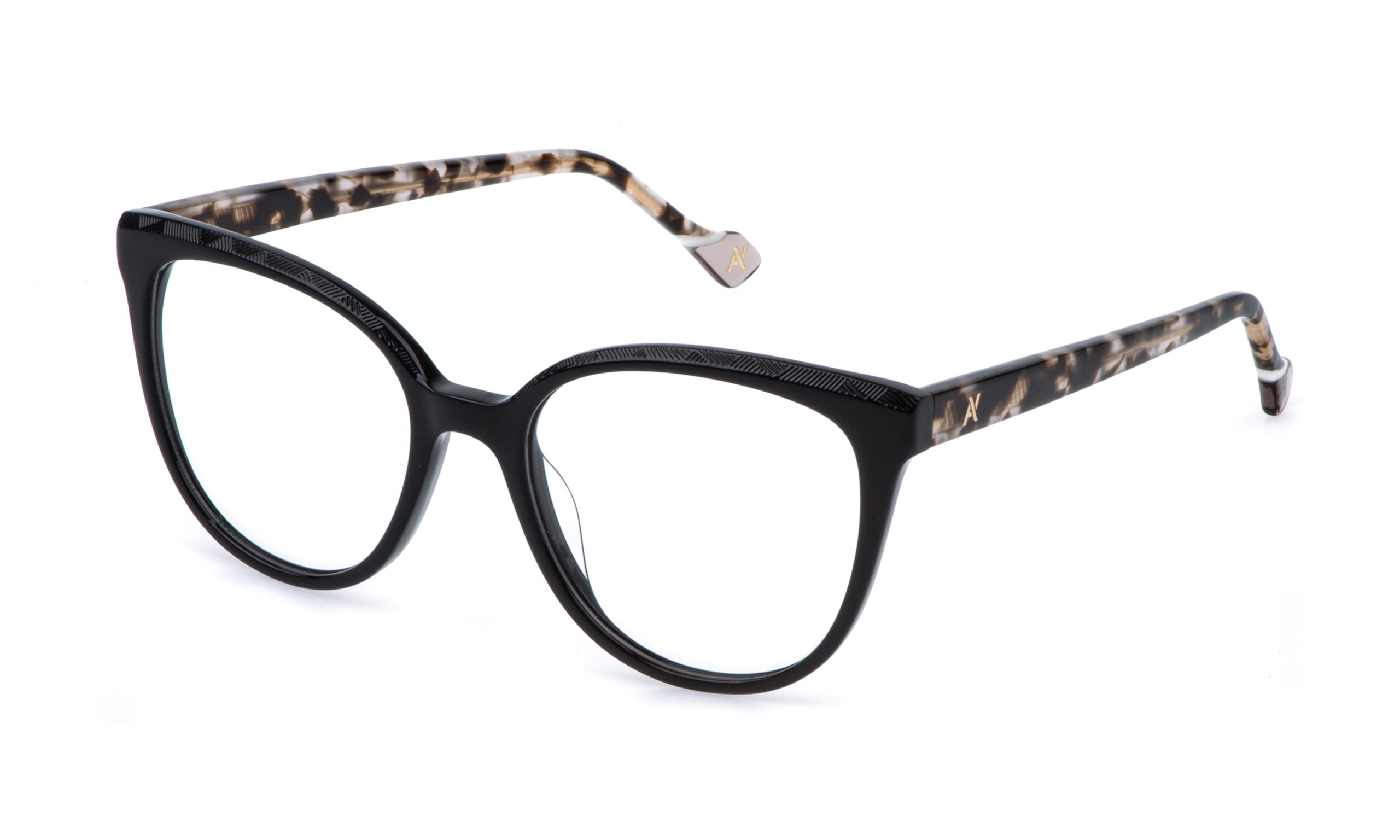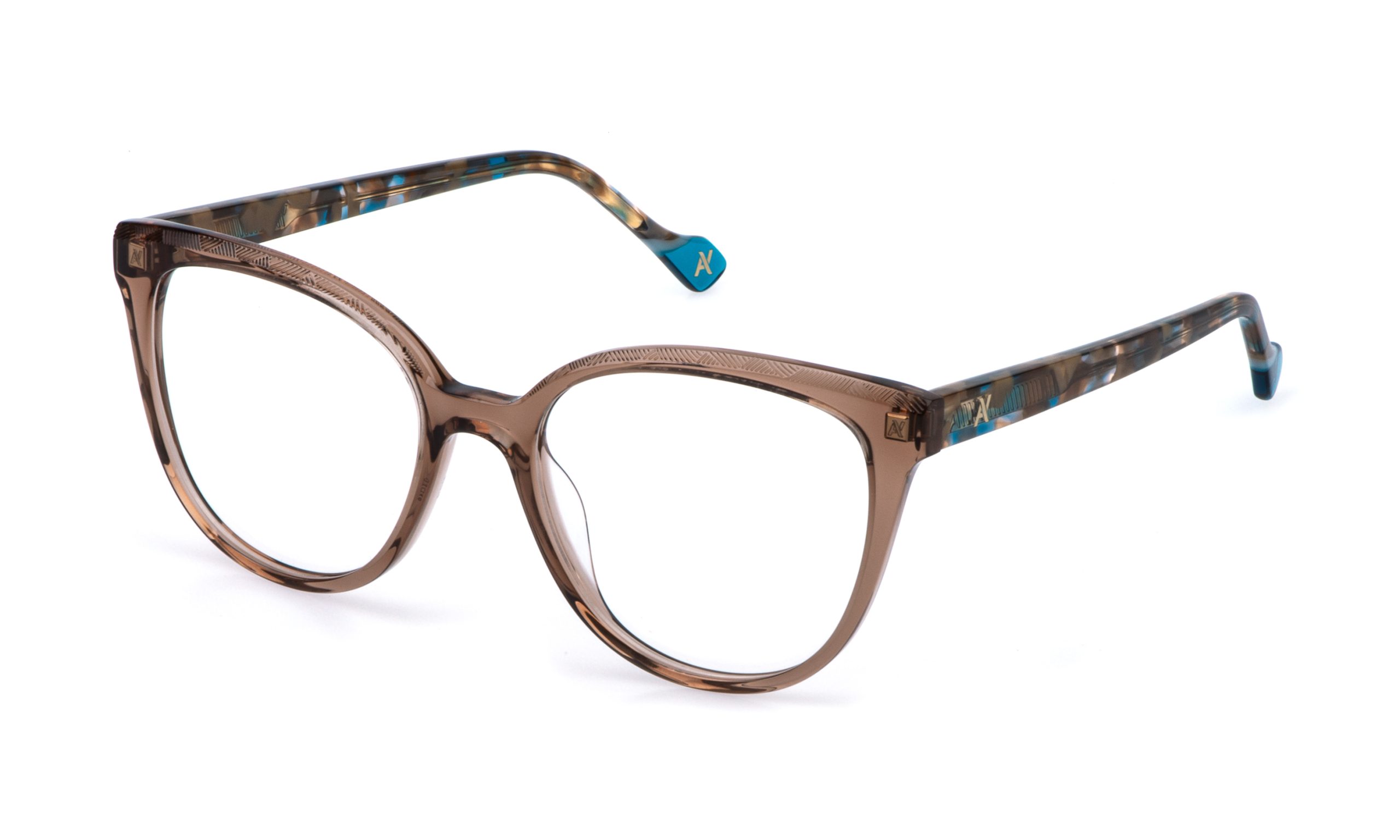


It’s a matter of mindset: first, you have to dream big, then you have to chase them with all your might. You have to put things in perspective and never give up. My mother risked her life to save us from the Taliban; compared to that, no effort to reclaim my own space is too great. With my debut for the Danish national team, I not only fulfilled a dream, but became an active part of a change.
Nadia Nadim
Professional footballer, doctor specialising in reconstructive surgery and UNESCO ambassador. The daughter of an Afghan army general and a biologist and school principal, Nadia Nadim lived in Kabul until 1996-97, when the execution of her father and the restrictions imposed by the Taliban prompted her mother to seek an escape route for herself and her 5 daughters.
Relying on human traffickers, they tried to reach relatives in England or Germany, but were first taken to Italy and then, hidden in a truck, to Denmark. There they requested political asylum and began life in a refugee camp. In the camp, Nadia discovered and fell in love with football, which became her path to redemption. At the age of 19, as soon as she obtained her passport, she became the first non-Danish player to wear the national team shirt. Today she has over 100 caps with the Danish team, but her talent has taken her to clubs such as Fortuna Hjørring, Portland Thorns, Manchester City, Paris Saint-Germain and now AC Milan. At the same time, she is actively committed to promoting access to education and sport for girls deprived of rights, both under the aegis of UNESCO and through the NGO Default, which she founded with one of her aunts in Afghanistan.
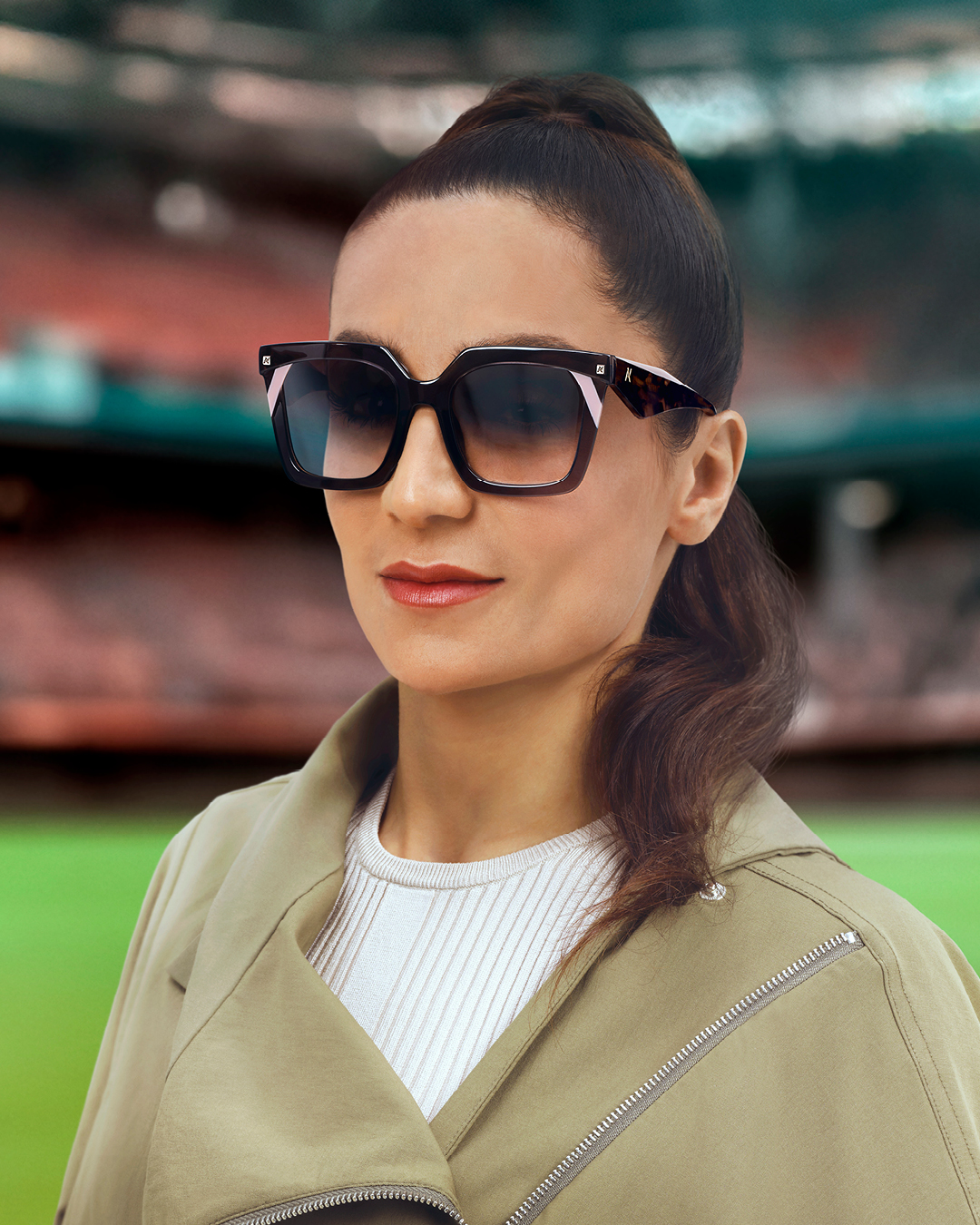
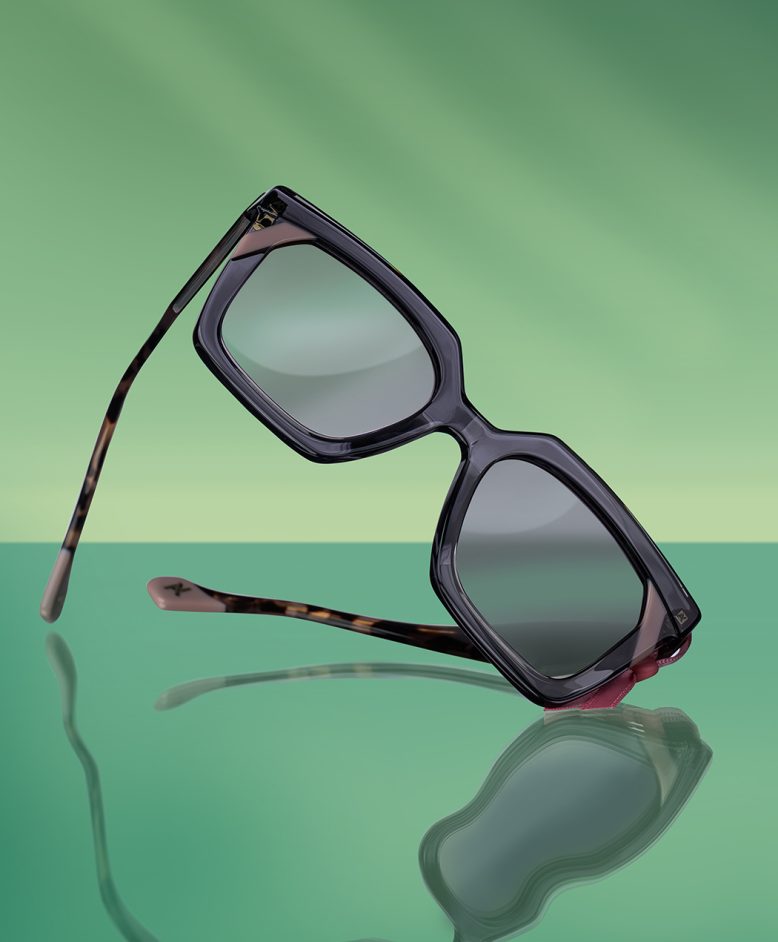
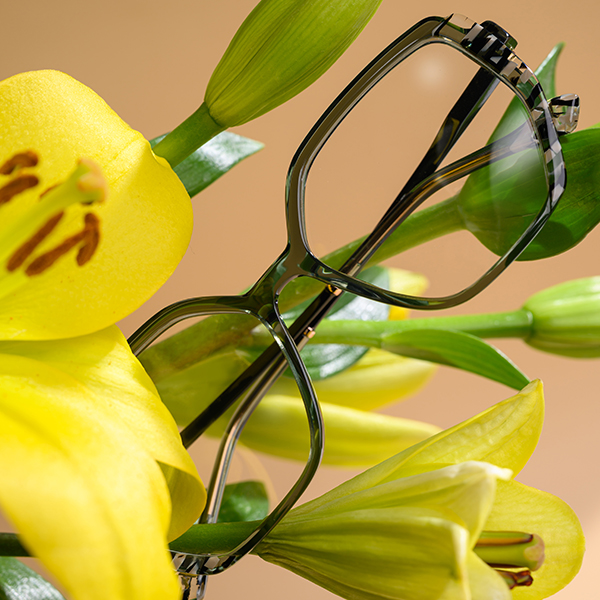
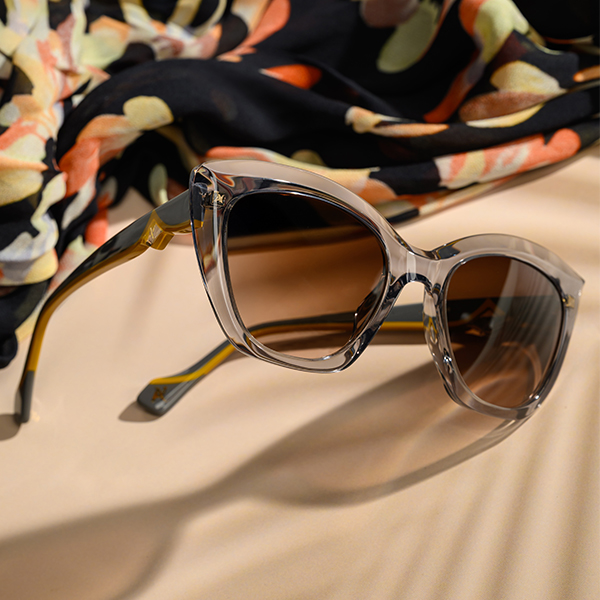
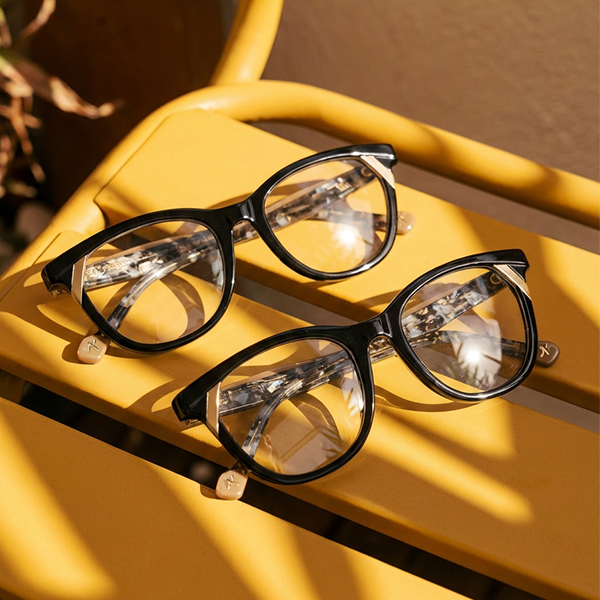
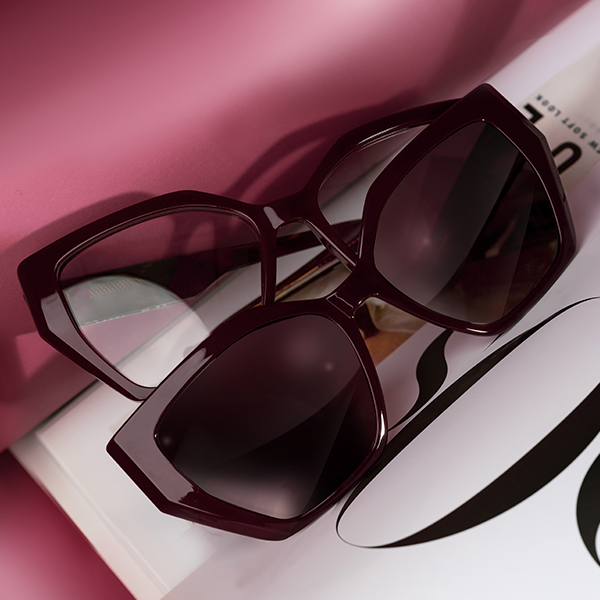
Nadia Nadim for Yalea Eyewear
With this campaign, Yalea celebrates feminine empowerment in the professional world – a clear vision where form and substance coexist, inspiring fresh perspectives. A collection that invites you to break barriers and see beyond.
Nadia, with you we start by tackling a difficult subject, which is sometimes still a taboo: the fact that inequality exists and that life does not always offer equal opportunities to all. You have already spoken about this with great calm and a perspective worthy of the courage that defines your story. Tell us more, because it is important to call a spade a spade…
Naming inequality is fundamental. Because if you don’t name it, you don’t see it. And if it remains invisible, you can’t fight it. The world is often unfair, in fact life itself is unfair, but for some reason it’s not something people favour saying out loud. There are some who start at a disadvantage. This is a fact and it must be acknowledged. Recognising this does not mean they are destined to stay there forever, but it is a crucial step towards awareness. Systemic prejudice exists, yet you rarely hear anyone say it outright. And it’s not one of those things that you can change with words: you just have to keep working and believe that what you are doing is right. And hope that your results, your example, will slowly change the mindset of the observer. Mindset is everything: this is the most important lesson I learned from my mother. I was 8 years old when the Taliban executed my father. She had just lost the love of her life and, like all the other women, essentially the very sense of being a sentient human. She was young and beautiful, she could have resigned herself, married again and let us rot in a corner. Instead, on her own, she found the strength to get us out of that nightmare.
We lived in terror, we fled, ending up in a refugee camp as refugees. For years we had nothing, but she never left the slightest room for self-indulgence, “There’s no time to be sad about how our lives are now. There’s nothing you can’t do. You just have to work really hard to get it.” She instilled in us the will to never give up, never take “no” for an answer. She prevented us from hiding behind the sense of injustice and gave us the mindset to access freedom forever. She called a spade a spade, but never allowed our starting from a disadvantaged condition to determine our entire future. The turning point is access: certainly as a woman, as a footballer and as an immigrant I have often and clearly felt the weight of prejudice, but sport and education have also given me the tools to change my destiny. This is why I really believe that those who have a voice should use it to create more awareness. I tell my story, not to celebrate my strength, but as a reminder that inequality is not a fate: it is a system, and systems can be changed. But only if we recognise them.
Do you dream outside the box? You’re ok, it’s the box that’s too small
Simple, disarming, real. As only truths won through long struggles can be. Like every sentence she shared with us. Nadia Nadim has no doubts: “No matter how tight the box they try to put us in may be, every day we have to push those walls a little further, to create more space. For our own aspirations, but also to inspire others to do the same. We need to stay focused on our goals and leave room for empathy. Improve a little every day, this is real success. Constantly push ourselves beyond our limits, little by little. There are no wrong aspirations, it’s just that they just want to keep us in boxes that are too small. This won’t change in a day. That’s why, with persistence, step by step, we have to keep pushing those walls for as long as necessary.
Breaking the glass ceiling also means this: doing what no one had done before, in areas or situations where it was not foreseen or included. What was the first time you felt you had changed the rules of the game for yourself, but not only?
The most striking moment in which I felt that I had really changed the rules of the game — not only for me, but for many other girls — was undoubtedly at my debut in the National Team: I, an immigrant, was the first in Danish history to wear that shirt, I came from a refugee camp with a melting pot of cultures that prohibited girls from playing football. I wasn’t part of the plan. It wasn’t acceptable. The expectations were different: become a good housewife, get married early, have children. I, on the other hand, would play football in the street with the boys, because there were no other girls playing it. And so I had a bad reputation. The neighbourhood gossips would say to my mother: “Why does your daughter play with boys?”. And my mother, who has always supported me, would tell me: “I know you’re not doing anything wrong, but hide behind the walls when you see them, so they don’t talk.”
Then along came that day I had dreamed of since the first moment I discovered football, and everything changed. The men of the camp publicly congratulated themselves for the result and the same gossips who had criticised me asked me where they could register their daughters to play. It was as if I had opened a door that didn’t exist before. I had become an example.
That day I realised that my journey was not only personal, it was symbolic: in the eyes of my community and those of the nation that had welcomed me. Every step I had taken, now paved the way for someone else. There was also another crucial moment, during university. I had managed to get into medicine and I was training with the National Team at the same time. At the time there were no special allowances for athletes, so one day I found myself being called to play for the team on days that overlapped with some exams that were essential for my university career. I looked for my tutor, and asked if I could find a solution: “You have to choose: either you become a doctor or you play football. You can’t have both”. I never left university, and I stuck it out at football too, and the day I graduated, I stood in front of the cameras and said “Someone tell my tutor that I did both.” Today, fortunately, things have changed for those who are both students and athletes. But this is also what breaking the glass ceiling means: doing what no one has done before, not because it’s easy, but because it’s necessary. Because every time you do it, you’re not only changing your story, but also the story of those who follow you. It means going where they are not expecting you. And staying, even when they ask you to leave. Because you know it’s the right thing to do.”
Behind your crazy smile and your contagious motivation, you have found a way to manage criticism, fears and the relationship with success. Tell us more about this and pick a tip for our readers.
Well, like every human being, fear, doubt, anger, anxiety, are part of my story and my life. I have been in a situation in which I was voiceless, I had no choice and I feared for my life and there I promised myself that, if I ever got out of that situation, I would never be so powerless again. I would never have allowed anyone or anything to decide what I can or cannot do. Putting things in perspective is a good technique; there is one thing I often say to myself and I’m happy to share it here: “No matter how dark the tunnel is, if you remain there and stay calm, at some point your eyes adjust to the darkness and you start seeing things.” Again, it’s a matter of mindset: you can stand still and cry, or you can roll up your sleeves and make the best of the situation you have. The best way to shut down our critics is by having courage and achieving success. For me, success is a tool I can use to make what is right come true, it’s about overcoming my own limits and helping others overcome theirs.
This applies to the world of football but also to every other area: there are certain mechanisms we have no choice but to accept. For now. This does not mean giving up, it means continuing to push in the right direction, having patience and bringing home results. These are changes that do not happen overnight, but little by little.
And it is important to dream big, always, in every situation, this is the first step in paving the way to new mental processes. That’s what happened to me when I arrived at the refugee camp: I had never even seen girls play football, and yet that vision, beyond the net, gave me a sense of such freedom that it changed my life forever. The first step is to have big dreams, then believe in them and then recognise that nothing is free, that you will have to work hard and pull out all the stops to make them come true. Even when you’re in tears.