






At first my goal was simple: to make a lot of money. But I soon realised that I needed more than financial success to feel fulfilled. I believe that each of us is here for a purpose, and sometimes finding this out requires faith, courage, and a willingness to take risks. Whatever makes you different is not a flaw, it is often your greatest strength. Embrace it: that’s where your power lies.
Yvonne Bajela
Yvonne Bajela is a British start-up investor of Ghanaian origin, now a LocalGlobe and Latitude Partner and founder of Impact X Capital Partners, a £100 million fund dedicated to underrepresented entrepreneurs.
A graduate of Brunel University with a master’s degree from Oxford, she began her career at Goldman Sachs before becoming one of the youngest investment managers at Mitsui & Co., where she led investments in transformative companies such as Wise. Recognised by Forbes as one of the “30 Under 30 Europe” and among the 25 most influential black people in the UK, she has received awards for leadership and inclusive engagement. In addition to finance, she is Global Shaper of the World Economic Forum and trustee of City Gateway, supporting young people and disadvantaged communities. Mother of two, she has no doubts about the crucial role of support networks, made up of families, allies and mentors, to make personal ambitions sustainable. For her, diversity is a superpower, and the biggest risk is not taking risks.
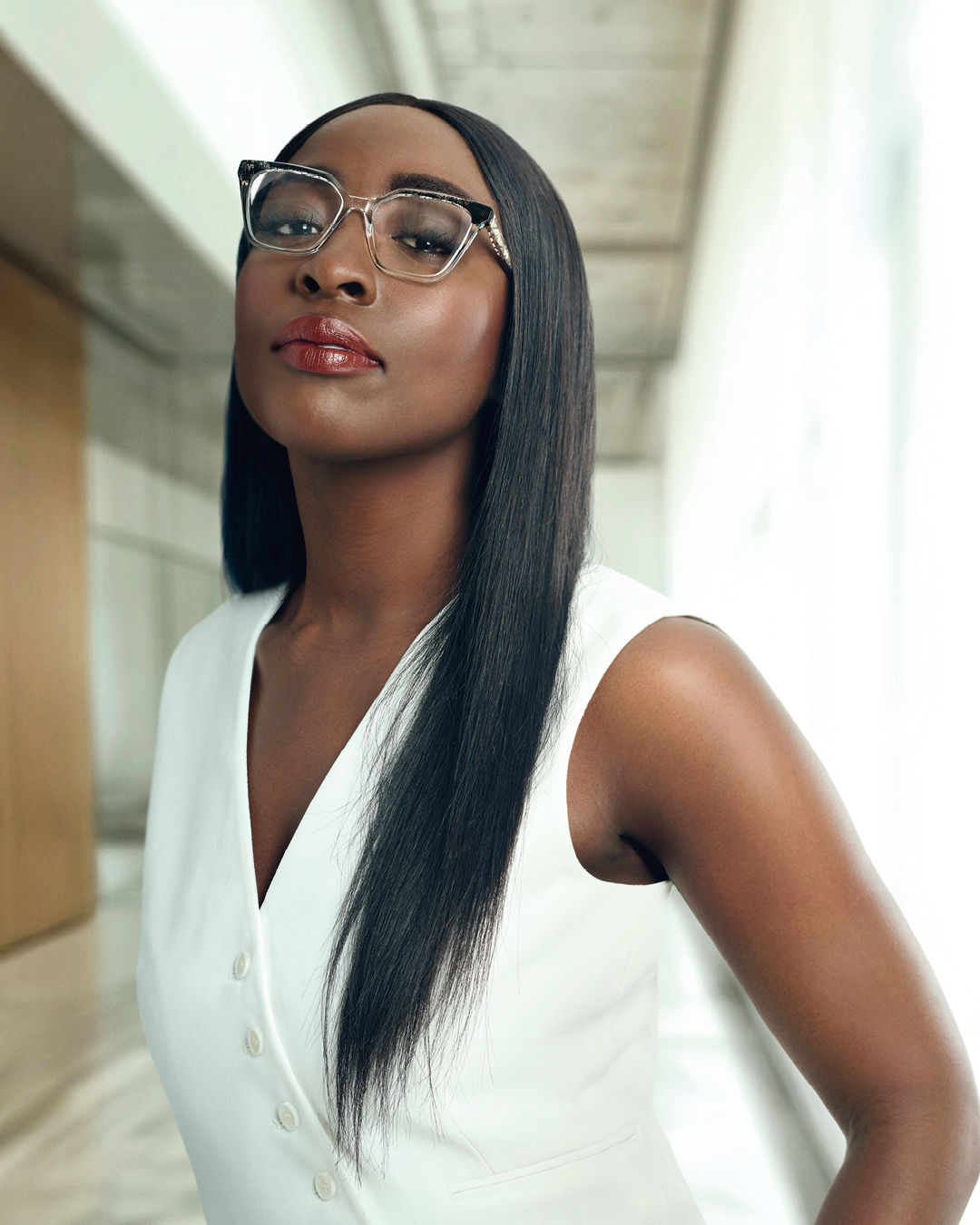

Yvonne Bajela for Yalea Eyewear
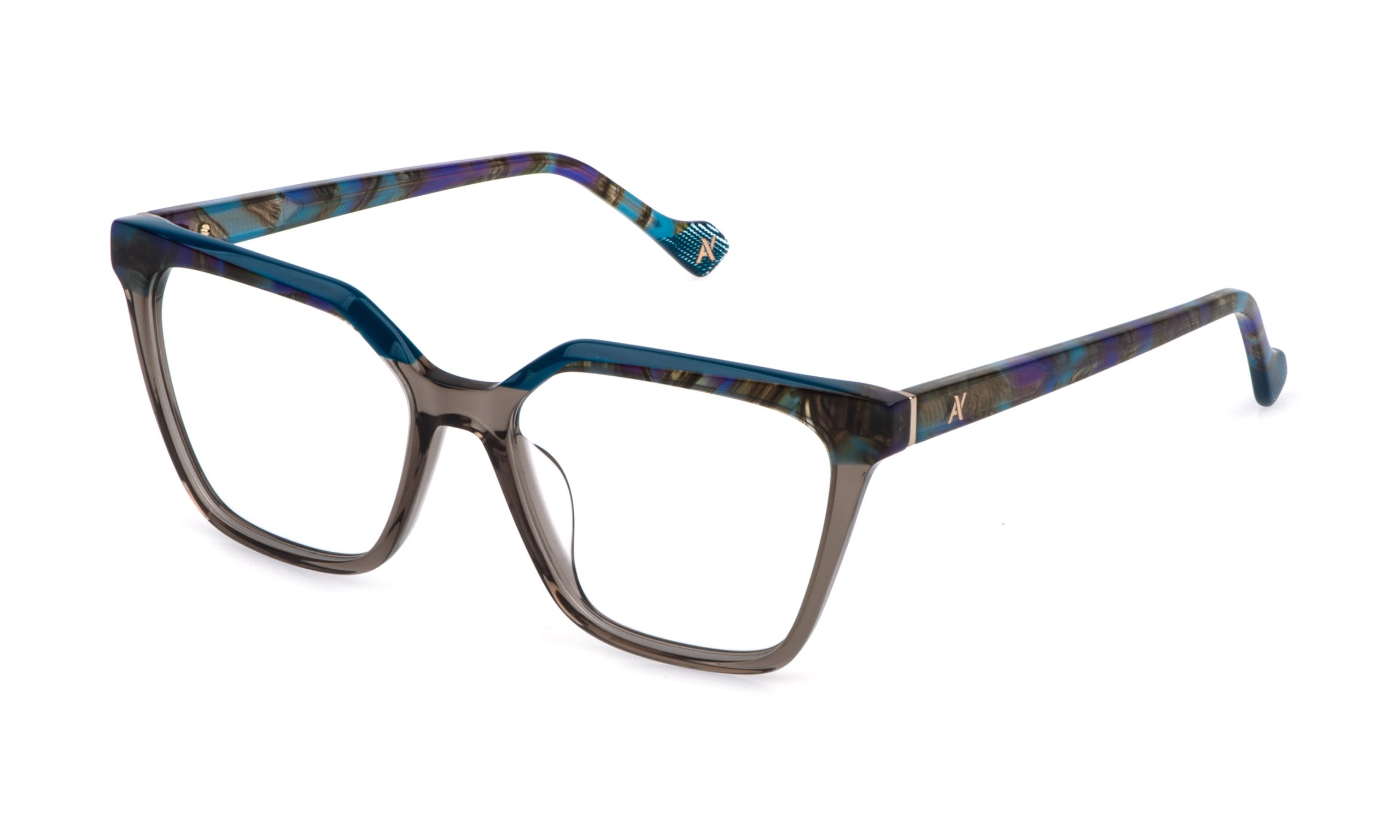
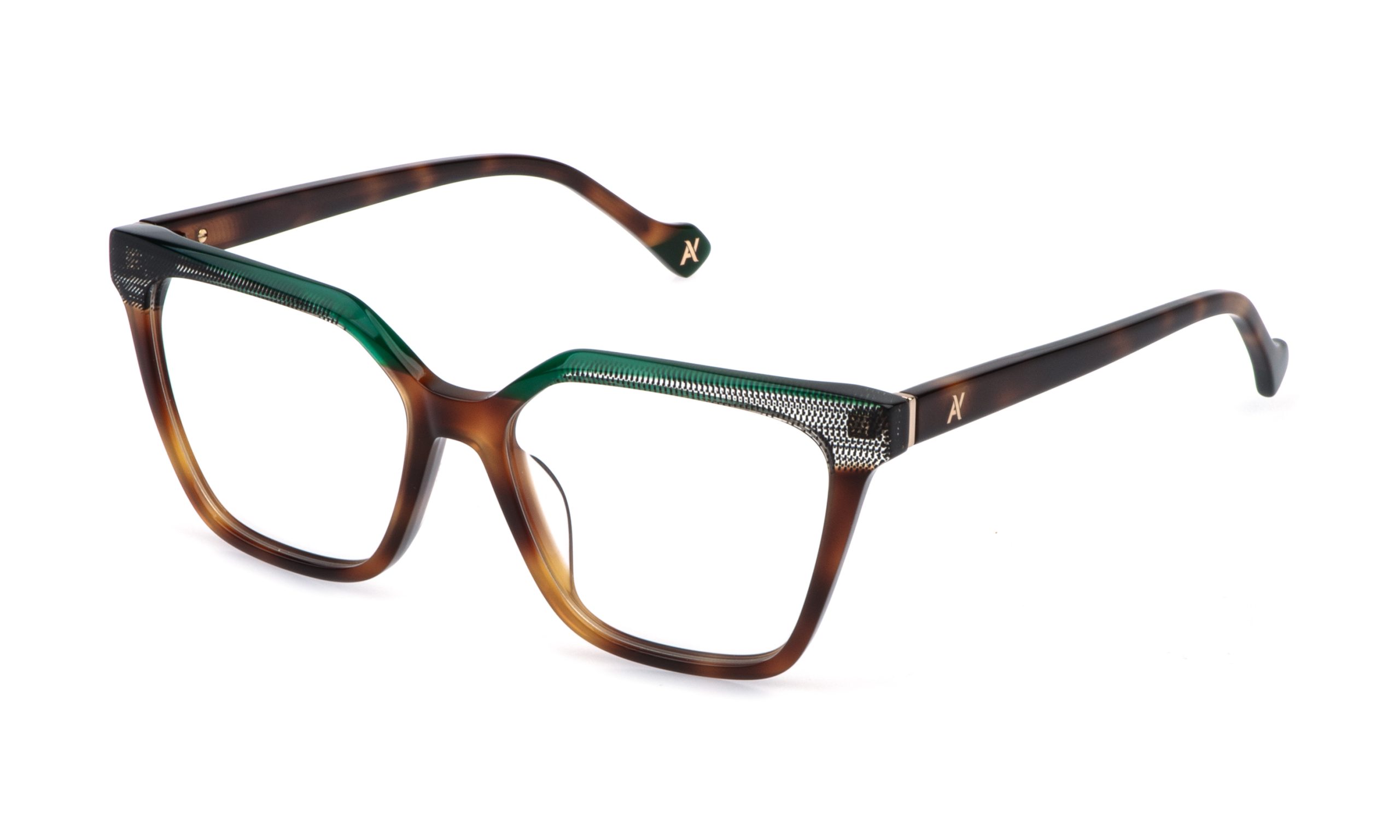
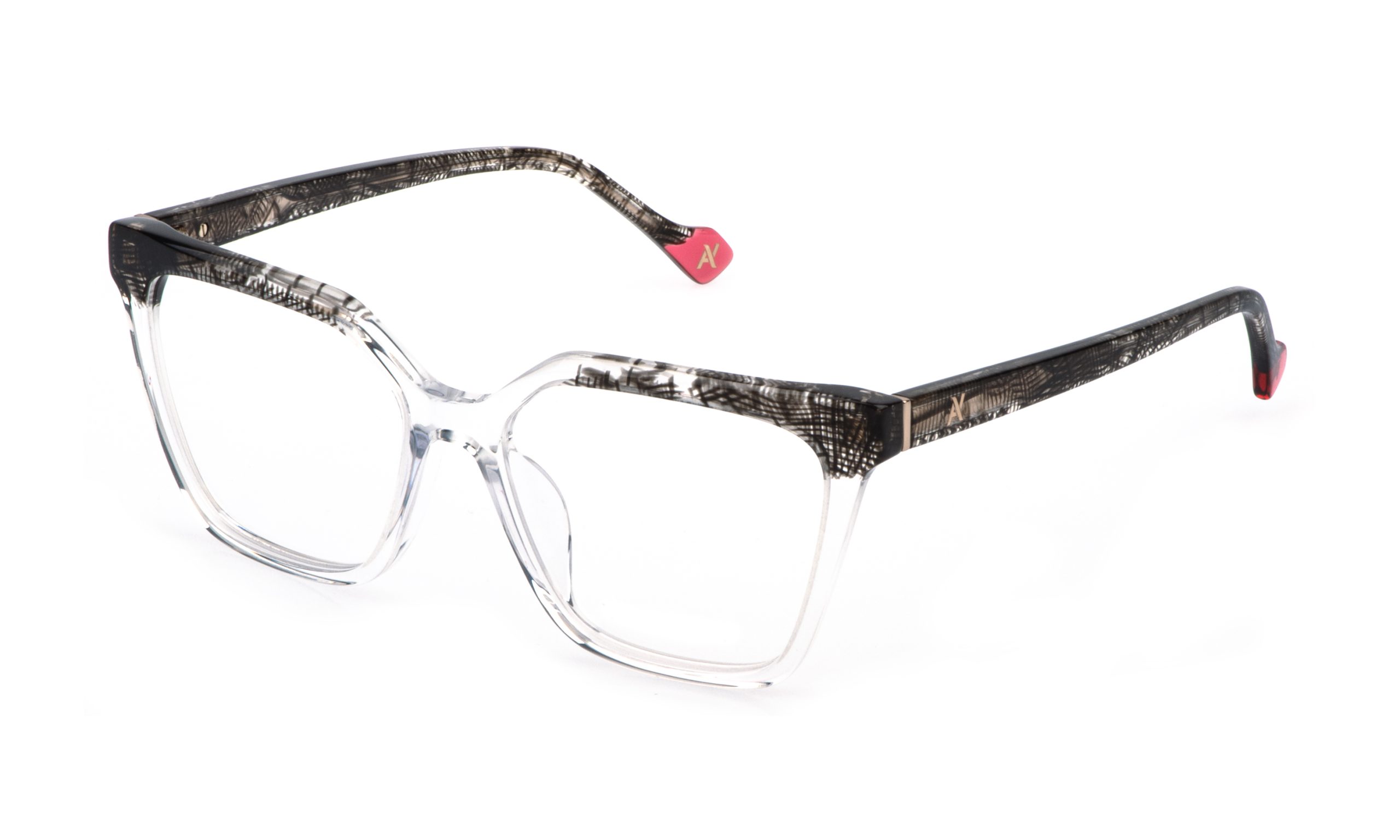
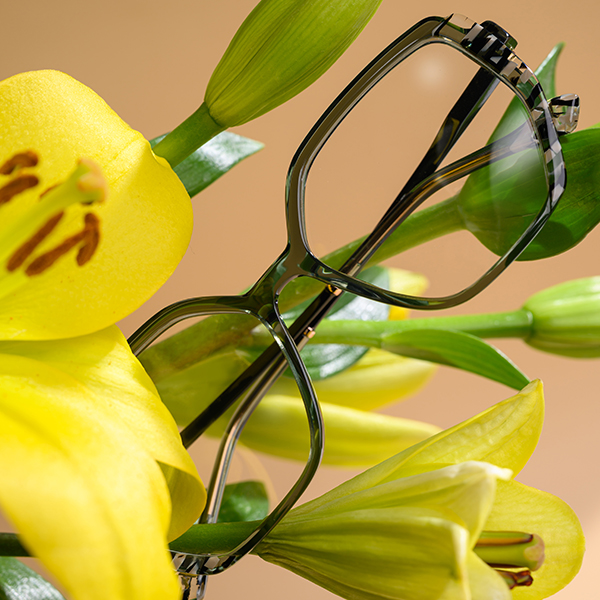
With this campaign, Yalea celebrates feminine empowerment in the professional world: a clear vision where form and substance coexist, inspiring fresh perspectives. A collection that invites you to break barriers and see beyond.
Yvonne, you have carved out your place in one of the most traditionally male-dominated fields, an especially notable achievement as a woman of colour. With you we definitely want to start from this reflection: how do you manage prejudice? When did you feel that you’d broken the glass ceiling and what is needed today for greater gender equality, even in your world?
“I’ve worked in large companies and smaller teams, and the data speaks for itself: bias exists. Sometimes it’s obvious, other times it’s subtle, and hard to pinpoint. It frustrated me a lot at first, but I realised that I shouldn’t let it get in my way. I have come to realise, over time, that prejudice is a problem for those who hold it, not for me. The fact that I was often the only woman in the room gave me the opportunity to bring a different point of view. I turned this minority condition into an advantage, rather than a disadvantage: my sensitivity allowed me to perceive things that others did not. In the world of finance, women are a minority, but the burden of overseeing things is on us: we cannot allow this to block us. Absurdly, the moment I felt that I had broken the glass ceiling was during a combination of seemingly unfavourable conditions: Brexit had just happened, and I worked for Mitsui, a Japanese company where the hierarchy is very rigid.
Yet I managed to become a senior investment manager, managing over 200 million dollars in investments throughout Europe, the Middle East and Africa. Then I realised that my true destiny was different, but that was undoubtedly a significant achievement.
However, in fact, the numbers are alarming: in my sector less than 2% of funding goes to women founders and, less than 0.1% of that 2% to black founders. If change is to happen, we need real action: we need more investors at the table and more sponsors who talk about us in the rooms where we are not yet present. Having my seat at the table gives me the opportunity to help expand that 2%. This is why I say to everyone, no matter in what sector, if you are among the few present in the room, do not be discouraged: stay, make your voice heard, shake the table. Often the secret is not to ask for permission to enter, but to enter with a proposal that no one can ignore.”
Our superpower? Transforming a label into a signature.
It is a constant that permeates her entire story, Yvonne firmly believes: “Diversity is not a flaw to be fixed; it is a strength to be built on. At first, they told me ‘You have to be more assertive, more aggressive’, and I tried too, but ended up making a fool of myself. Then I learned. Today, the calm and empathy that challenged me play a strategic part in the roles I have. If they ask us to change our nature, because we are too much, or not enough, maybe we are in the wrong place. We need to work on what we have that others call different, like our strengths. Because authentic leadership comes about when we transform our uniqueness into value. To make a difference, authenticity is not optional; staying true to our nature is the only way to make a real impact on the outside world.”
Risk management and success: these are dimensions that you know very well, with which you have been measuring yourself for a long time. Is there anything you’ve learned in your journey that can be helpful to anyone trying to assert their uniqueness?
“For me, risk management and success are two inseparable dimensions. At first, I thought success was mostly a matter of stocks and money: growing quickly, earning a lot, proving you made it. But you can have all the biggest titles and real money though, if at the end of the day you’re not satisfied, what’s the point? Today I define it differently: success is operating within your purpose, having a real impact and doing it your own way. For me, today, it’s about funding companies that can change industries, create wealth and open up new possibilities, but it’s also about building a life that works outside of work, where I can be present as a mother and continue to do more of what I love.
I truly believe that we are all here for a reason, and that success is experiencing that reason with authenticity. This also means learning to take risks, accepting that fear is part of the path. Growing up in an African family, I had been taught not to take risks, to follow the traditional path: to enter a large company and work my way up the hierarchy over thirty years.
But at university, I saw friends take risks, start businesses, think outside the box. This taught me that fear should not be something that paralyses you, but it can become an engine.
In my career I have made several leaps, often without really knowing what I was doing. When I joined Mitsui, for example, they asked me to lead a team, and I had no idea how to go about doing that. I chose to acknowledge the fear and do it anyway, because you learn along the way. Every risk brings with it lessons that transform you. The thing I have learned, which can be useful to anyone trying to assert their uniqueness, is that risk is the most fertile ground on which to build our authenticity. That does not mean making rash choices, it means listening carefully. Success is not about adapting to an imposed style but rather staying true to your own nature: only by stepping outside your comfort zone and freeing yourself from labels that do not define you can you become the person you are destined to be.”
During our chat, at one point we asked you if there were any fundamental figures on your way to the top, and you smiled and said: “It takes a village, not just one person”. Tell us more! It is important that every strong woman out there knows that having reference points is not a weakness and that creating support networks makes our success more stable.
“When I say ‘it takes a village’ it’s because, looking back, I see more than one person who has been instrumental in my journey. In different ways and contexts, many have made it possible for me to move forward. When I was at Mitsui, for example, and I reached that milestone that made me say ‘I broke the glass ceiling’, I had this colleague who always believed in me and supported me, even in meetings where I was not present. Without sponsors and allies I would not have achieved certain goals. Having external references and support points is not a weakness: it is the way to build solid foundations. No one gets to the top alone and recognising that is part of our strength.
Then there’s family, friends, and loved ones outside the office. Today I have two young children, and I often have to travel for work: I couldn’t do it without the support I have around me, which allows me to continue growing without having to choose between my personal and professional life.
And there are the external contributions of people I have never met, but who have become sources of inspiration and training. Today we have a myriad of tools to fuel our journey: podcasts, stories, contents that have helped me see different possibilities.
I’m thinking about all of this when I say that we need an entire community. I want to say this to women who feel they have to carve out their space but are held back by the fear of not making it: being strong does not mean doing everything alone. It means having the courage to ask for help, to build networks, to accept that support is part of the journey. And it also means recognising that fear is a travelling companion: it reminds us that we are alive. The risk that should scare you the most isn’t failing but not trying. If you want to start a project, do it: if it doesn’t work, you’ll find another way. But if you give up before you even try, all you’ll be left with is regret.
Success is more accessible and stable when you share the journey to get there. Support networks are the true infrastructures of equality, the first step towards equality.”